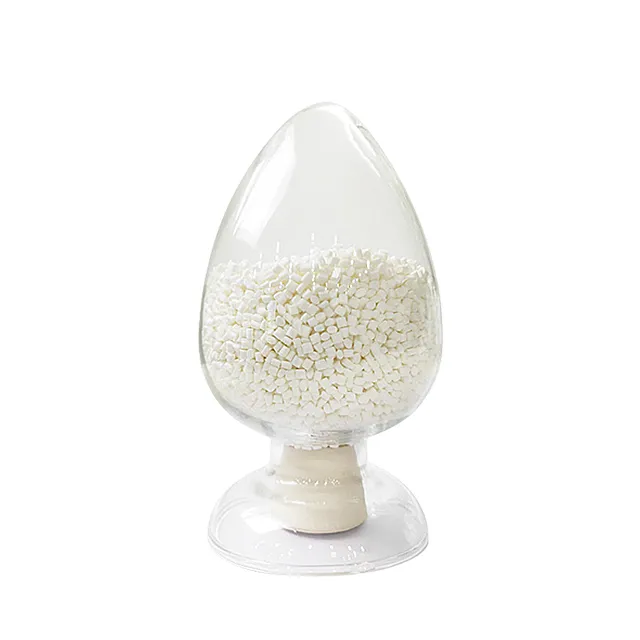
Antibacterial masterbatch is blended with standard plastic granules at a specific ratio (typically 1% to 5%) and subsequently processed into finished products using conventional plastic processing methods, such as injection molding, extrusion, or blow molding.
During the product's service life, the antibacterial agent migrates to the surface at a slow, controlled rate, forming an effective antimicrobial layer. When microorganisms-such as bacteria and mold-settle on the product's surface, the antibacterial agent disrupts their cellular structures and inhibits their respiratory functions and reproductive capabilities, thereby achieving both bacteriostatic (growth-inhibiting) and bactericidal (killing) effects.
Antibacterial masterbatch finds application in a wide array of plastic products requiring antimicrobial properties, including packaging materials, construction materials, automotive interiors, handrails, seating, public facilities, home appliances, and infant care products.
The production of antibacterial masterbatch primarily involves selecting the appropriate carrier resin and dispersion system, based on the required antimicrobial properties, the specific materials used in the final product, and the intended processing method. Formulating antibacterial agents into a masterbatch not only enhances antimicrobial efficacy-improving the dispersion and stability of the antimicrobial components during plastic processing-but also ensures long-lasting performance. Furthermore, this approach eliminates the need for extensive compounding and granulation work, simplifies operations, stabilizes molding cycles, boosts production efficiency, and poses no adverse impact on the environment. As product quality is effectively guaranteed, antibacterial masterbatch has become widely adopted within the market for antimicrobial plastic products.