From a particulate perspective, nano-zinc oxide is classified as a nanomaterial; from a chemical composition perspective, it is an active oxide. Consequently, its bactericidal mechanism differs from the typical mechanism involving the release of metal (zinc) ions.
Electrostatic Adsorption
Due to the chemical bonding between zinc and oxygen, the surface electronegativity of zinc oxide is generally higher than that of typical metal ions. This electronegativity primarily stems from its nanoscale dimensions and structural characteristics; specifically, at the nanoscale, a greater number of zinc atoms are exposed on the surface, resulting in a predominantly positive surface charge. Furthermore, if the crystal structure of the nano-zinc oxide is imperfect-exhibiting numerous surface defects-its positive charge characteristics are further enhanced. Conversely, the cell walls (composed of peptidoglycans, teichoic acids, and lipopolysaccharides) and cell membranes (composed of phospholipids) of bacterial cells carry a negative charge. In accordance with the principle that opposite charges attract, the nano-zinc oxide particles are non-selectively adsorbed onto the bacterial cells.
Ionic Dissolution and Disruption of Bacterial Cell Walls
Zinc ions released from the surface of the zinc oxide interact with bacterial cells, displacing essential ions-such as Ca²⁺ and Mg²⁺-that typically regulate the cell's physiological activities. This displacement leads to the denaturation and coagulation of cellular proteins, as well as the inactivation of enzymes, thereby compromising the original functions of the cell wall and cell membrane. (However, studies have indicated that even a tenfold increase in the concentration of zinc salt ions does not necessarily yield the same level of effective antibacterial activity.)
Photocatalytic Sterilization
Nano-zinc oxide catalyzes the conversion of water-both on the bacterial surface and within the cell-into hydrogen peroxide (H₂O₂). The potent oxidizing properties of H₂O₂, along with its oxidative byproducts, directly oxidize the outer structural layers of the bacteria. This process disrupts the cell's permeability barrier and destabilizes the internal and external material equilibrium of the cell, ultimately leading to bacterial death.
Furthermore, the decomposition products of H₂O₂-such as hydroxyl radicals and reactive oxygen species-can directly react with microbial proteins and nucleic acids. This interaction causes structural damage to these vital cellular components, thereby resulting in the death of the microorganism.
Nano-zinc oxide is capable of disrupting the cell membranes of bacteria and viruses, leading to the leakage of bacterial cytoplasm and the coagulation of viral proteins. In addition to its sterilizing and antiviral effects, it can also decompose harmful chemical complexes released from the remnants of dead bacteria and viruses. Consequently, nano-zinc oxide demonstrates potent bactericidal, fungicidal, and antiviral properties, and also possesses effective deodorizing capabilities. Research indicates that nano-zinc oxide achieves a sterilization and bacteriostatic rate of over 99% against bacteria and viruses, as well as an odor elimination rate exceeding 99%.
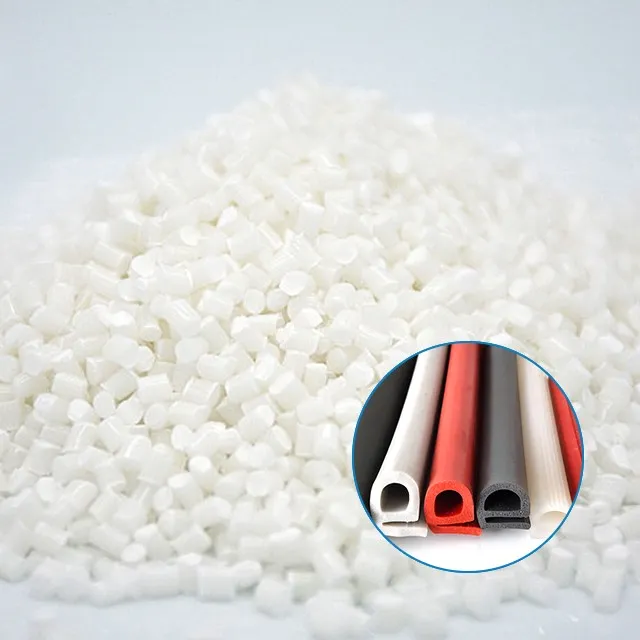
Through the diligent efforts of R&D personnel at Bofu Technology and Longda Nano, a nano-zinc oxide antimicrobial masterbatch has been successfully developed. This product demonstrates a sterilization rate of over 95% against various bacterial strains-including Gram-positive bacteria, *E. coli*, and *S. aureus*-and offers long-lasting antimicrobial efficacy.