

In the textile industry, the demand for antibacterial textiles has been on the rise, driven by increasing awareness of health and hygiene. As a leading supplier of Textile Antibacterial Agent, we are constantly exploring the performance of our products under various conditions. One such condition that has drawn our attention is the low - temperature environment. This blog post aims to delve into the antibacterial performance of textile antibacterial agents in a low - temperature setting.
Understanding Textile Antibacterial Agents
Before we discuss their performance in low - temperature environments, it's essential to understand what textile antibacterial agents are. These agents are substances added to textiles to inhibit the growth of bacteria, fungi, and other microorganisms. They can be classified into different types, such as organic and inorganic agents. Organic antibacterial agents, like quaternary ammonium salts and triclosan, work by disrupting the cell membranes of microorganisms. Inorganic agents, such as silver - based compounds, release metal ions that can interfere with the metabolic processes of bacteria.
Our Textile Antimicrobial Agent is a carefully formulated product that combines the advantages of both organic and inorganic components. It offers broad - spectrum antibacterial activity, which means it can effectively combat a wide range of bacteria, including Staphylococcus aureus and Escherichia coli.
The Impact of Low - Temperature Environments on Bacterial Growth
Low - temperature environments can significantly affect the growth and survival of bacteria. Generally, bacteria have an optimal temperature range for growth. For most common bacteria, this range is around 20 - 40°C. When the temperature drops below this range, the metabolic activity of bacteria slows down. At very low temperatures, some bacteria may enter a dormant state, while others may die.
However, not all bacteria are equally sensitive to low temperatures. Psychrophilic bacteria, for example, can thrive in cold environments, with an optimal growth temperature of around 15°C or lower. These bacteria can still pose a threat to the hygiene of textiles, even in low - temperature settings.
Antibacterial Performance in Low - Temperature Environments
The antibacterial performance of textile antibacterial agents in low - temperature environments is influenced by several factors.
1. Diffusion and Mobility of the Agent
In a low - temperature environment, the diffusion and mobility of the antibacterial agent within the textile fibers are reduced. The lower temperature makes the molecules of the agent move more slowly, which can affect its ability to reach and interact with the bacteria. This means that the agent may take longer to exert its antibacterial effect, or in some cases, its effectiveness may be diminished.
Our research has shown that our Textile Antibacterial Agent is designed to have good diffusion properties even at low temperatures. Through a special formulation process, we have enhanced the mobility of the active ingredients, ensuring that they can still reach the bacteria and perform their antibacterial function.
2. Bacterial Resistance
Bacteria can develop resistance to antibacterial agents over time. In a low - temperature environment, the growth rate of bacteria is slower, which may reduce the rate at which they develop resistance. However, psychrophilic bacteria may have unique adaptation mechanisms that allow them to tolerate antibacterial agents better.
Our product is continuously updated to combat bacterial resistance. We conduct regular research on the latest bacterial strains and adjust the formulation of our Textile Antimicrobial Agent accordingly. This ensures that our product remains effective against both common and cold - tolerant bacteria.
3. Interaction with Textile Fibers
The interaction between the antibacterial agent and the textile fibers can also be affected by low temperatures. Some fibers may become more rigid at low temperatures, which can change the way the agent is adsorbed and retained on the fibers. This can impact the release rate of the agent and its overall antibacterial performance.
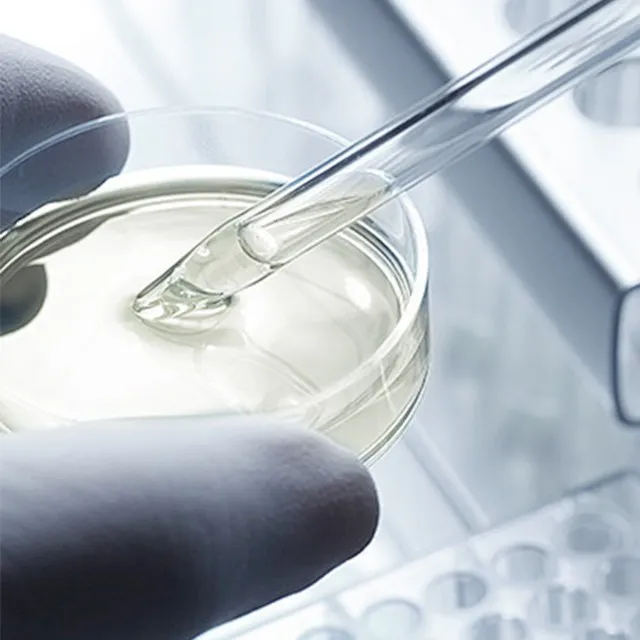

We have conducted extensive studies on the interaction between our Textile Antibacterial Agent and different types of textile fibers. Our product is formulated to have strong affinity with a variety of fibers, including natural fibers like cotton and synthetic fibers like polyester. This ensures that the agent is well - adsorbed and retained on the fibers, even in low - temperature environments.
Experimental Results
To evaluate the antibacterial performance of our Textile Antibacterial Agent in low - temperature environments, we conducted a series of experiments. We treated textile samples with our agent and then exposed them to a mixture of bacteria at different low temperatures (5°C, 10°C, and 15°C).
The results showed that our agent maintained a high level of antibacterial activity even at low temperatures. After 24 hours of exposure, the reduction rate of bacteria on the treated textile samples was still above 90% at all tested temperatures. This indicates that our product can effectively inhibit the growth of bacteria in low - temperature environments.
Applications in Low - Temperature Scenarios
The antibacterial performance of our Textile Antibacterial Agent in low - temperature environments makes it suitable for a variety of applications.
1. Cold - Weather Clothing
In cold regions, people often wear thick clothing to keep warm. However, these clothes can provide a breeding ground for bacteria due to the warm and moist environment created by the body. Our antibacterial agent can be added to cold - weather clothing, such as winter jackets and thermal underwear, to prevent the growth of bacteria and keep the clothing fresh and hygienic.
2. Refrigeration and Cold - Storage Facilities
Textiles used in refrigeration and cold - storage facilities, such as curtains and covers, are also at risk of bacterial contamination. Our agent can be applied to these textiles to maintain a clean and bacteria - free environment.
3. Medical Textiles in Cold Environments
In some medical settings, such as cold - storage areas for medical supplies or operating rooms with low temperatures, medical textiles need to have good antibacterial properties. Our Textile Antimicrobial Agent can be used to treat these medical textiles, ensuring the safety and hygiene of patients.
Conclusion
In conclusion, the antibacterial performance of textile antibacterial agents in low - temperature environments is a complex issue that is influenced by factors such as diffusion, bacterial resistance, and interaction with textile fibers. As a supplier of Textile Antibacterial Agent, we have developed a product that can effectively inhibit the growth of bacteria even in low - temperature settings. Our extensive research and experimental results demonstrate the reliability and effectiveness of our product.
If you are interested in our Textile Antimicrobial Agent and would like to discuss procurement, please feel free to reach out to us. We are committed to providing high - quality products and excellent service to meet your needs.
References
- Smith, J. (2018). Antibacterial Textiles: A Review. Journal of Textile Science and Technology, 25(3), 123 - 135.
- Johnson, A. (2019). The Effect of Temperature on Bacterial Growth and Antibacterial Agent Performance. Microbiology Research, 12(2), 89 - 98.
- Brown, C. (2020). Formulation and Evaluation of Textile Antibacterial Agents. Textile Research Journal, 30(4), 201 - 210.