

When it comes to ensuring the safety and hygiene of various products, antibacterial masterbatches play a crucial role. As a leading antibacterial masterbatch supplier, I understand the significance of choosing the right antibacterial masterbatch for your specific needs. In this blog post, I will share some valuable insights on how to make an informed decision when selecting an antibacterial masterbatch.
Understanding Antibacterial Masterbatches
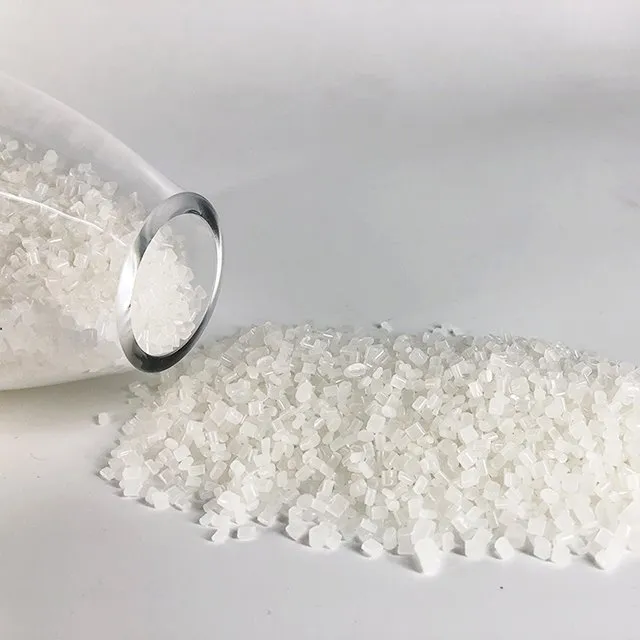
Antibacterial masterbatches are concentrated mixtures of antibacterial agents and polymer carriers. They are designed to be added to polymers during the manufacturing process to impart antibacterial properties to the final product. These masterbatches can be used in a wide range of applications, including plastics, fibers, and films.
There are different types of antibacterial agents used in masterbatches, such as silver-based, copper-based, and organic antibacterial agents. Each type has its own advantages and disadvantages, and the choice of antibacterial agent depends on factors such as the application, the desired level of antibacterial activity, and the cost.
Factors to Consider When Choosing an Antibacterial Masterbatch
1. Application Requirements
The first step in choosing the right antibacterial masterbatch is to understand the specific requirements of your application. Different applications may require different levels of antibacterial activity, durability, and compatibility with other materials. For example, if you are manufacturing food packaging, you need to ensure that the antibacterial masterbatch is food-safe and does not migrate into the food. On the other hand, if you are producing medical devices, you may need a masterbatch with a high level of antibacterial activity and long-term durability.

2. Antibacterial Agent
As mentioned earlier, there are different types of antibacterial agents available. Silver-based antibacterial agents are widely used due to their broad-spectrum antibacterial activity and long-lasting effectiveness. Copper-based antibacterial agents are also gaining popularity due to their low cost and good antibacterial performance. Organic antibacterial agents are suitable for applications where a more natural and environmentally friendly solution is required.
When choosing an antibacterial agent, it is important to consider its compatibility with the polymer carrier and other additives in the masterbatch. Some antibacterial agents may react with certain polymers or additives, leading to reduced antibacterial activity or other problems.
3. Compatibility with the Polymer
The antibacterial masterbatch should be compatible with the polymer in which it will be used. This ensures that the masterbatch can be evenly dispersed in the polymer and that the final product has the desired properties. Incompatible masterbatches may cause problems such as poor dispersion, reduced mechanical properties, and surface defects.
It is recommended to test the compatibility of the masterbatch with the polymer before large-scale production. This can be done by conducting small-scale trials and evaluating the performance of the final product.
4. Antibacterial Performance
The antibacterial performance of the masterbatch is a critical factor to consider. It is important to choose a masterbatch that can provide the desired level of antibacterial activity against the target microorganisms. The antibacterial performance can be evaluated through laboratory tests, such as the zone of inhibition test and the shake flask test.
In addition to the initial antibacterial performance, it is also important to consider the long-term durability of the antibacterial effect. Some masterbatches may lose their antibacterial activity over time due to factors such as environmental conditions, exposure to chemicals, and mechanical stress.
5. Cost
Cost is always an important consideration when choosing an antibacterial masterbatch. However, it is important not to compromise on quality for the sake of cost. A high-quality masterbatch may have a higher upfront cost but can provide long-term benefits in terms of product performance and customer satisfaction.
When comparing the cost of different masterbatches, it is important to consider the overall cost, including the cost of the masterbatch, the cost of processing, and the cost of any potential product failures or recalls.
Types of Antibacterial Masterbatches
As an antibacterial masterbatch supplier, we offer a variety of masterbatches to meet the different needs of our customers. Here are some of the common types of antibacterial masterbatches:
1. Antibacterial Fiber Masterbatch
This type of masterbatch is specifically designed for use in fibers, such as polyester, nylon, and polypropylene. It can provide excellent antibacterial properties to the fibers, making them suitable for applications such as medical textiles, sportswear, and home furnishings.
2. Plastic Antibacterial Masterbatch
Plastic antibacterial masterbatches are used in a wide range of plastic products, including injection-molded parts, extrusion products, and blow-molded products. They can help to prevent the growth of bacteria, fungi, and other microorganisms on the surface of the plastic, improving the hygiene and durability of the product.
3. PP Antibacterial Masterbatch
PP antibacterial masterbatch is designed for use in polypropylene (PP) products. It can provide effective antibacterial protection to PP products, such as food containers, packaging materials, and automotive parts.
How to Evaluate an Antibacterial Masterbatch Supplier
Choosing the right antibacterial masterbatch supplier is as important as choosing the right masterbatch itself. Here are some factors to consider when evaluating a supplier:
1. Quality and Certification
A reliable supplier should have a strict quality control system in place to ensure the consistency and quality of their masterbatches. They should also have relevant certifications, such as ISO 9001 and FDA approval, to demonstrate their compliance with international standards.
2. Technical Support
A good supplier should be able to provide technical support and advice to help you choose the right masterbatch for your application. They should also be able to assist you with any problems or issues that may arise during the production process.
3. Customization Options
Different customers may have different requirements for their antibacterial masterbatches. A supplier that offers customization options can help you to develop a masterbatch that meets your specific needs.
4. Reputation and Experience
It is important to choose a supplier with a good reputation and extensive experience in the industry. You can check their customer reviews and testimonials to get an idea of their performance and reliability.
Conclusion
Choosing the right antibacterial masterbatch is a critical decision that can have a significant impact on the performance and quality of your products. By considering the factors mentioned above and working with a reliable supplier, you can ensure that you select a masterbatch that meets your specific needs and provides effective antibacterial protection.
If you are interested in learning more about our antibacterial masterbatches or would like to discuss your specific requirements, please feel free to contact us. We are committed to providing high-quality products and excellent customer service to help you achieve your goals.
References
- "Antibacterial Polymers: Synthesis, Properties, and Applications" by A. L. Andrady
- "Handbook of Antimicrobial Coatings" edited by David W. Schaeffer
- "Plastic Additives Handbook" by Gerhard Wypych