

What is the recommended dosage of PHMG solid biocide?
As a supplier of PHMG solid biocide, I often receive inquiries about the recommended dosage of this product. PHMG, or polyhexamethylene guanidine, is a highly effective biocide that has been widely used in various industries for its strong antibacterial and antifungal properties. In this blog post, I will discuss the factors that influence the recommended dosage of PHMG solid biocide and provide some general guidelines for its use.
Understanding PHMG Solid Biocide
Before we delve into the recommended dosage, it's important to understand what PHMG solid biocide is and how it works. PHMG is a cationic polymer that has a broad spectrum of antimicrobial activity. It works by disrupting the cell membranes of microorganisms, leading to their death. This makes it an ideal choice for applications where controlling the growth of bacteria, fungi, and other pathogens is essential.
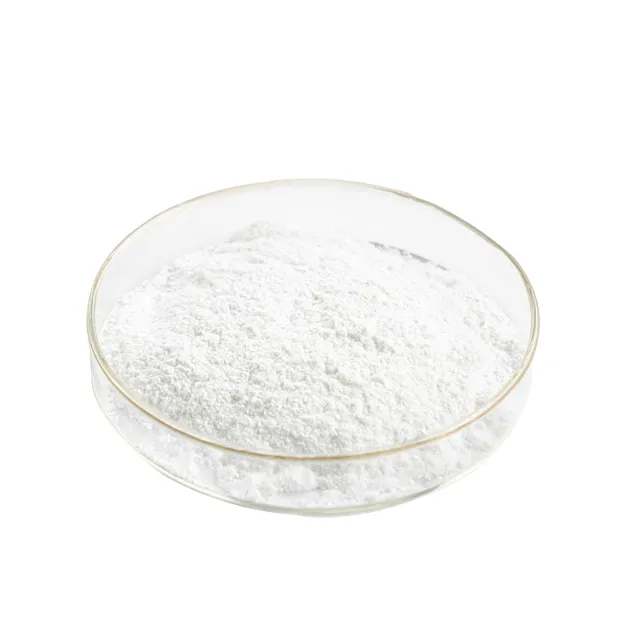
There are different forms of PHMG available in the market, including Polyhexamethylene Guanidine Phmg CAS 57028 - 96 - 3, PHMG Phosphate CAS 89697 - 78 - 9, and Polyhexamethylene Guanidine 50% Solution CAS 57028 - 96 - 3. The solid form of PHMG is particularly useful as it offers a more stable and long - lasting antimicrobial effect.
Factors Influencing the Recommended Dosage
The recommended dosage of PHMG solid biocide can vary depending on several factors:
1. Type of Application
The application for which the PHMG solid biocide is being used plays a crucial role in determining the dosage. For example, in water treatment applications, the dosage will depend on the quality of the water, the level of contamination, and the desired level of disinfection. In industrial settings, such as in the production of textiles or plastics, the dosage will be determined by the specific requirements of the manufacturing process.
2. Target Microorganisms
Different microorganisms have different levels of susceptibility to PHMG. For instance, some bacteria may be more resistant than others. If the target is a highly resistant strain of bacteria, a higher dosage of PHMG may be required to achieve effective control.
3. Environmental Conditions
Environmental factors such as temperature, pH, and the presence of other chemicals can also affect the effectiveness of PHMG. In general, PHMG works best in a slightly acidic to neutral pH range. High temperatures can increase the activity of the biocide, but extremely high temperatures may also cause degradation.
General Dosage Guidelines
While the exact dosage will vary depending on the factors mentioned above, here are some general guidelines for using PHMG solid biocide:
Water Treatment
In water treatment applications, the recommended dosage of PHMG solid biocide typically ranges from 1 - 10 ppm (parts per million). For lightly contaminated water, a lower dosage may be sufficient, while for heavily contaminated water, a higher dosage may be required. It's important to monitor the water quality regularly to ensure that the desired level of disinfection is being achieved.

Surface Disinfection
For surface disinfection, a solution of PHMG can be prepared by dissolving the solid biocide in water. A common concentration for surface disinfection is 0.1 - 1% PHMG solution. This solution can be applied to surfaces using a sprayer or a cloth. It's important to ensure that the surface is thoroughly wetted and that the solution is left on the surface for an appropriate contact time, usually at least 10 - 15 minutes.
Industrial Applications
In industrial applications, such as in the production of textiles or plastics, the dosage of PHMG solid biocide will depend on the specific requirements of the manufacturing process. In some cases, a dosage of 0.5 - 2% may be used to incorporate the biocide into the product.
Safety Considerations
When using PHMG solid biocide, it's important to follow safety guidelines. PHMG is generally considered to be a safe biocide, but it can cause irritation to the skin, eyes, and respiratory system if not handled properly. It's recommended to wear appropriate personal protective equipment, such as gloves and goggles, when handling the biocide.
Conclusion
Determining the recommended dosage of PHMG solid biocide requires careful consideration of various factors, including the type of application, target microorganisms, and environmental conditions. By following the general guidelines provided in this blog post and conducting appropriate testing, you can ensure that you are using the biocide effectively and safely.
If you are interested in purchasing PHMG solid biocide or have any questions about its dosage and application, please feel free to contact us. We are a reliable supplier of high - quality PHMG products and can provide you with the necessary support and guidance.
References
- "Antimicrobial Properties of Polyhexamethylene Guanidine" - Journal of Applied Microbiology
- "Water Treatment with PHMG Biocides" - Water Research Journal
- "Industrial Applications of PHMG in Textiles and Plastics" - Polymer Science Review