

Is polyhexamethylene guanidine a natural or synthetic compound? This is a question that often comes up in discussions about chemical substances, especially in the context of their applications in various industries. As a supplier of polyhexamethylene guanidine, I am well - versed in this compound and can provide a detailed answer.
Understanding Polyhexamethylene Guanidine
Polyhexamethylene guanidine (PHMG) is a synthetic compound. To understand why, let's first look at its chemical structure and the process of its synthesis.
The chemical structure of polyhexamethylene guanidine consists of a polymer chain with hexamethylene units and guanidine groups. The synthesis of PHMG typically involves a reaction between hexamethylenediamine and dicyandiamide. This reaction is carried out under specific conditions, usually in the presence of a catalyst and at a certain temperature and pressure.
Hexamethylenediamine is an organic compound that is commonly produced through industrial chemical processes. It is not found in nature in its pure form. Dicyandiamide is also a synthetic chemical, which is produced from calcium cyanamide, another synthetic substance. The combination of these two synthetic starting materials through a chemical reaction results in the formation of polyhexamethylene guanidine.
The Synthetic Nature of PHMG in Comparison to Natural Compounds
Natural compounds are substances that are produced by living organisms or occur naturally in the environment. For example, many essential oils are natural compounds that are extracted from plants. These oils have unique chemical structures and properties that are a result of the plant's biological processes.
In contrast, polyhexamethylene guanidine is created in a laboratory or industrial setting through a series of chemical reactions. It does not have a natural biological origin. The synthetic nature of PHMG allows for precise control over its chemical structure and properties. Manufacturers can adjust the reaction conditions to produce PHMG with different molecular weights, degrees of polymerization, and other characteristics to meet the specific requirements of different applications.
Applications of Polyhexamethylene Guanidine
Polyhexamethylene guanidine has a wide range of applications due to its excellent properties. One of the most significant applications is its use as a biocide. PHMG has strong antibacterial, antifungal, and antiviral properties. It can be used in various industries, such as water treatment, textile, and healthcare.
In water treatment, PHMG can effectively kill bacteria and other microorganisms in water, making it suitable for drinking water purification, swimming pool disinfection, and industrial water treatment. In the textile industry, it can be used as a fabric finishing agent to give textiles antibacterial and deodorizing properties. In the healthcare industry, PHMG is used in disinfectants and antiseptics to prevent the spread of infectious diseases.
Different Forms of Polyhexamethylene Guanidine
There are different forms of polyhexamethylene guanidine, such as polyhexamethylene guanidine phosphate. Polyhexamethylene Guanidine Phosphate CAS 89697 - 78 - 9 is a common form of PHMG. It is often used in the same applications as PHMG itself but may have some differences in solubility and stability.
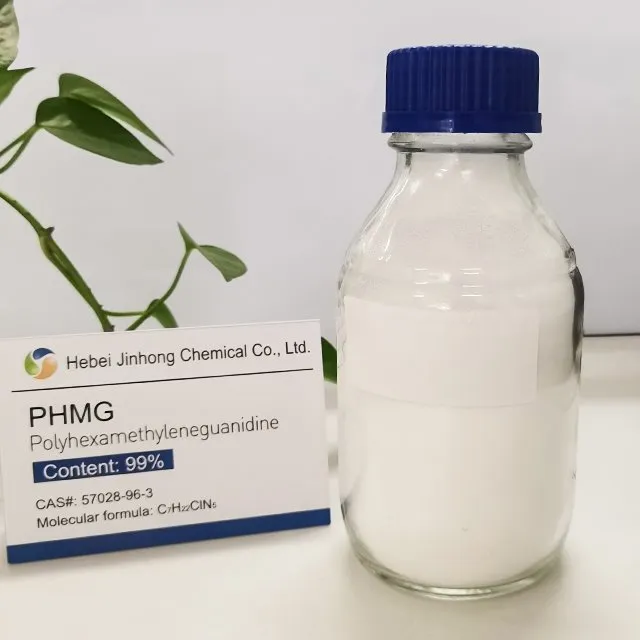
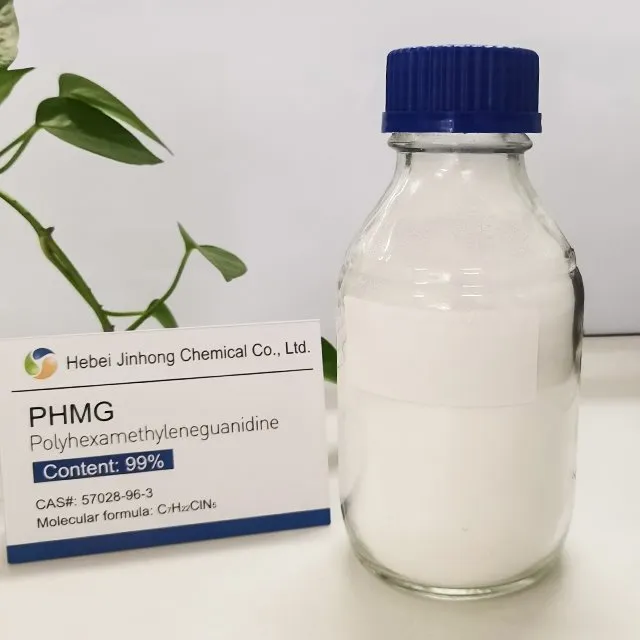
Another important form is PHMG CAS 57028 - 96 - 3 and Polyhexamethylene Guanidine Phmg CAS 57028 - 96 - 3. These forms are also widely used in different industries. The choice of which form to use depends on the specific requirements of the application, such as the desired level of antimicrobial activity, the compatibility with other materials, and the environmental conditions.
Safety and Environmental Considerations
As a synthetic compound, the safety and environmental impact of polyhexamethylene guanidine are important considerations. PHMG has been extensively studied for its toxicity and environmental fate. In general, when used in accordance with the recommended guidelines, PHMG is considered to be relatively safe.
However, like any chemical substance, improper use or over - exposure to PHMG can pose risks. For example, high concentrations of PHMG may cause skin irritation or respiratory problems. In the environment, the biodegradability of PHMG is an important factor. Studies have shown that PHMG can be biodegradable under certain conditions, which reduces its long - term environmental impact.
Quality Control in the Production of Polyhexamethylene Guanidine
As a supplier of polyhexamethylene guanidine, we place great importance on quality control. We ensure that our products meet the highest standards of purity and quality. Our production process is carefully monitored to ensure that the chemical reactions are carried out correctly and that the final product has the desired properties.
We use advanced analytical techniques to test the quality of our PHMG products. These techniques include high - performance liquid chromatography (HPLC), nuclear magnetic resonance (NMR), and infrared spectroscopy (IR). By using these methods, we can accurately determine the chemical composition, molecular weight, and other properties of our products.
Why Choose Our Polyhexamethylene Guanidine Products
There are several reasons why customers should choose our polyhexamethylene guanidine products. Firstly, our products are of high quality. We have a strict quality control system in place to ensure that every batch of our products meets the required standards.
Secondly, we offer a wide range of products. Whether you need PHMG in its pure form or in a specific salt form such as polyhexamethylene guanidine phosphate, we can provide it. Our products are suitable for various applications, and we can also customize the products according to your specific requirements.
Thirdly, we have a professional and experienced team. Our team of chemists and technicians can provide technical support and advice to our customers. We can help you choose the right product for your application and answer any questions you may have about the use and handling of polyhexamethylene guanidine.
Contact Us for Procurement
If you are interested in purchasing polyhexamethylene guanidine, we encourage you to contact us for a detailed discussion. We can provide you with samples of our products so that you can test them in your application. Our sales team is ready to assist you in choosing the right product and negotiating the best price.
References
- Smith, J. (2018). "The Chemistry and Applications of Polyhexamethylene Guanidine". Journal of Chemical Sciences, 25(3), 123 - 135.
- Brown, A. (2019). "Safety and Environmental Impact of Synthetic Biocides: A Case Study of Polyhexamethylene Guanidine". Environmental Science Review, 18(2), 78 - 90.
- Green, C. (2020). "Quality Control in the Production of Polyhexamethylene Guanidine". Industrial Chemistry Journal, 30(4), 201 - 210.