

Hey there! I'm a supplier of polyhexamethylene biguanide (PHMB), and I'm super stoked to chat with you about how this amazing stuff affects the pH of a solution. It's a topic that's not only fascinating but also crucial for anyone using PHMB in various applications.
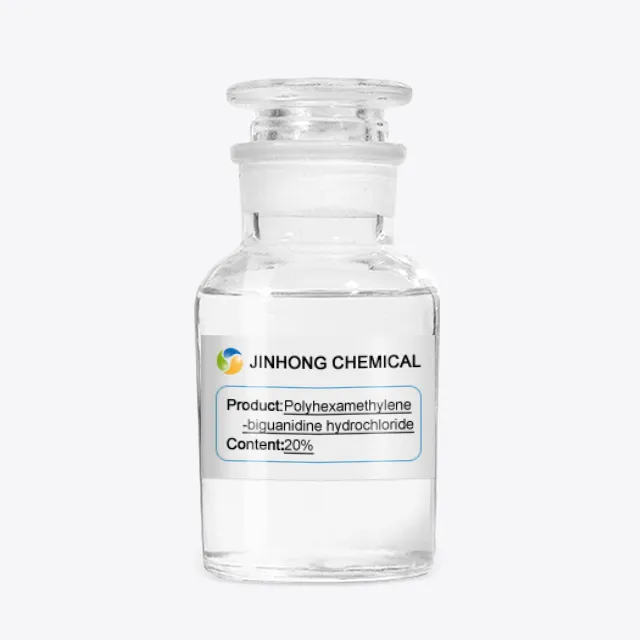
First off, let's get a bit of background on PHMB. It's a well - known antimicrobial agent that's used in a ton of different industries, from water treatment to personal care products. You can find it in different forms, like the Polyhexamethylene Biguanide 20% Solution CAS 32289 - 58 - 0, PHMB 20% CAS 32289 - 58 - 0, and PHMB 98% Powder CAS 32289 - 58 - 0. Each form has its own unique properties and uses, but they all share the common characteristic of being great at killing germs.
Now, let's dig into how PHMB impacts the pH of a solution. The pH scale ranges from 0 to 14, with 7 being neutral. Anything below 7 is acidic, and anything above 7 is basic. When you add PHMB to a solution, it can have different effects on the pH depending on a few factors.
One of the main things that determines how PHMB affects pH is its concentration. Generally, at lower concentrations, PHMB has a relatively mild impact on the pH of the solution. But as you increase the concentration, things start to change. Higher concentrations of PHMB can make the solution more basic. This is because PHMB has basic functional groups in its chemical structure. When it dissociates in water, it releases hydroxide ions (OH - ), which increase the pH of the solution.
For example, in a water treatment scenario, if you're using a small amount of PHMB to disinfect a swimming pool, the pH change might be barely noticeable. But if you're using it in a more concentrated form for industrial water treatment, you'll definitely see a shift in the pH. You might need to adjust the pH back to the desired range using an acid, like hydrochloric acid or sulfuric acid.
Another factor that plays a role is the initial pH of the solution. If you add PHMB to an acidic solution, it will react with the hydrogen ions (H + ) in the solution. This reaction can neutralize some of the acidity and raise the pH. On the other hand, if the solution is already basic, adding PHMB might further increase the basicity, pushing the pH even higher.
Let's talk about the practical implications of these pH changes. In the personal care industry, products like shampoos and body washes need to have a specific pH range to be gentle on the skin. If PHMB is added to these products and causes a significant pH change, it could irritate the skin. So, formulators need to carefully control the amount of PHMB and adjust the pH of the product to make sure it's safe for use.
In the water treatment industry, maintaining the right pH is crucial for the effectiveness of PHMB as a disinfectant. If the pH is too high or too low, the antimicrobial activity of PHMB can be reduced. For instance, in a water system where the pH is extremely acidic, PHMB might not be able to work as well to kill bacteria and other pathogens.
Now, let's look at some real - world data. There have been several studies on the pH - related properties of PHMB. Some research shows that when you add a 1% solution of PHMB to pure water, the pH can increase from around 7 to about 8.5. This might not seem like a huge change, but it can have a big impact on the overall chemistry of the solution.
If you're using PHMB in a complex system, like a biological wastewater treatment plant, the pH change can also affect the microorganisms that are involved in the treatment process. Some microorganisms are very sensitive to pH changes, and an increase in pH due to PHMB could disrupt their growth and activity.
So, how can you manage the pH when using PHMB? First, you need to measure the initial pH of the solution. Then, based on the concentration of PHMB you're adding, you can estimate how much the pH will change. If necessary, you can use pH - adjusting agents to bring the pH back to the optimal range.
As a supplier, I understand that these details are super important for you. Whether you're in the water treatment business, making personal care products, or working in any other industry that uses PHMB, getting the pH right is key to the success of your products.
If you're interested in purchasing PHMB, we've got a great range of products available, including the Polyhexamethylene Biguanide 20% Solution CAS 32289 - 58 - 0, PHMB 20% CAS 32289 - 58 - 0, and PHMB 98% Powder CAS 32289 - 58 - 0. We're always here to help you with any questions you might have about how to use PHMB and manage the pH of your solutions. Just reach out to us, and we'll be happy to start a conversation about your specific needs.
In conclusion, polyhexamethylene biguanide can have a significant impact on the pH of a solution, and understanding this relationship is essential for anyone using it. By carefully controlling the concentration and managing the pH, you can make the most of the antimicrobial properties of PHMB in your products and processes. So, don't hesitate to get in touch if you want to learn more or start a purchase.
References
- Some research papers on the chemical properties of polyhexamethylene biguanide
- Industry reports on the use of PHMB in different applications
- Textbooks on water treatment and personal care product formulation