

Polyhexamethylene guanidine (PHMG) disinfectant has emerged as a powerful and versatile solution in the realm of disinfection. As a leading supplier of PHMG disinfectant, I am excited to share comprehensive insights on how to use this product correctly. This blog aims to provide you with scientific and practical guidance, ensuring that you can harness the full potential of PHMG disinfectant for various applications.
Understanding PHMG Disinfectant
PHMG is a cationic polymer with broad - spectrum antimicrobial properties. It works by disrupting the cell membranes of microorganisms, leading to their death. This makes it effective against a wide range of bacteria, fungi, and viruses. The chemical structure of PHMG gives it stability and long - lasting disinfection effects.
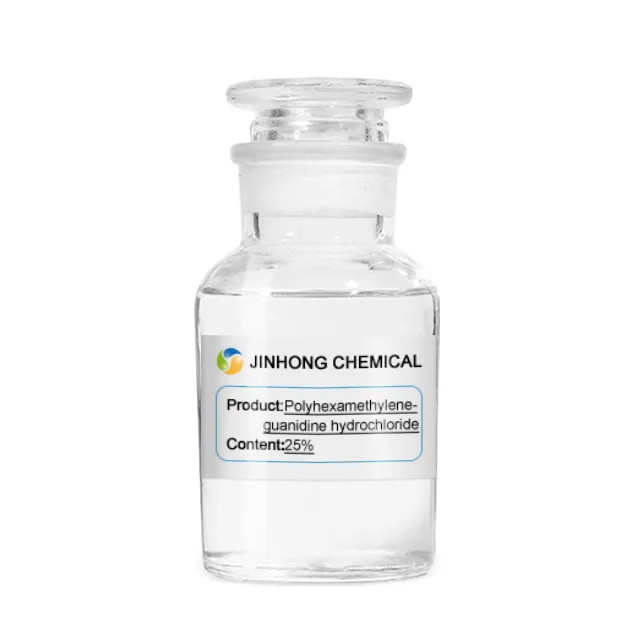
One of the key advantages of PHMG disinfectant is its relatively low toxicity compared to some traditional disinfectants. It is also environmentally friendly, as it degrades into non - toxic substances over time. PHMG is available in different forms, such as solutions with varying concentrations. For example, the Polyhexamethylene Guanidine 25% Solution CAS 57028 - 96 - 3 is a commonly used product in many disinfection scenarios.

Preparation Before Using PHMG Disinfectant
Before using PHMG disinfectant, it is essential to understand the specific requirements of the disinfection task. First, identify the type of surface or area to be disinfected. Different surfaces may require different application methods and concentrations of the disinfectant.
For example, hard, non - porous surfaces like stainless steel or plastic can tolerate higher concentrations of the disinfectant compared to soft or porous materials. If you are disinfecting a medical device, you need to ensure that the PHMG solution is compatible with the device's material to avoid damage.
It is also crucial to read the product label carefully. The label provides detailed information about the concentration of PHMG in the solution, recommended dilution ratios, contact time, and safety precautions. Always follow the manufacturer's instructions to ensure effective and safe use.
Dilution of PHMG Disinfectant
Most PHMG disinfectants are sold in concentrated forms and need to be diluted before use. The dilution ratio depends on the intended application. For general household disinfection, a lower concentration may be sufficient, while for more demanding environments such as hospitals or laboratories, a higher concentration may be required.
To dilute the PHMG disinfectant, use clean, potable water. Measure the appropriate amount of the concentrated solution and add it to the water in a clean container. Stir the mixture thoroughly to ensure uniform distribution of the disinfectant. For example, if the product label recommends a 1:100 dilution ratio, you would add 1 part of the concentrated PHMG solution to 99 parts of water.
Application Methods
There are several application methods for PHMG disinfectant, each suitable for different scenarios:
Spraying
Spraying is a common and efficient way to apply PHMG disinfectant. Use a spray bottle to evenly distribute the solution over the surface to be disinfected. Make sure to cover all areas, including hard - to - reach corners and crevices. When spraying, keep the nozzle at an appropriate distance from the surface to ensure a fine mist and even coverage.
For large - scale disinfection, such as in warehouses or public buildings, a power sprayer can be used. This allows for faster and more extensive coverage. However, ensure proper ventilation during spraying to avoid inhaling the disinfectant mist.
Wiping
Wiping is suitable for smaller surfaces or when a more targeted approach is needed. Soak a clean cloth or sponge in the diluted PHMG solution and wipe the surface thoroughly. This method is often used for disinfecting countertops, doorknobs, and other frequently - touched surfaces.
After wiping, leave the surface wet for the recommended contact time to ensure effective disinfection. The contact time can vary depending on the type of microorganism and the concentration of the disinfectant.
Immersion
For small items such as medical instruments or utensils, immersion is an effective disinfection method. Place the items in a container filled with the diluted PHMG solution and ensure that they are completely submerged. Leave them in the solution for the required contact time, then remove and rinse with clean water if necessary.
Safety Precautions
While PHMG disinfectant is relatively safe, it is still important to take certain safety precautions:
- Personal Protection: Wear appropriate personal protective equipment (PPE), such as gloves and goggles, when handling the concentrated disinfectant or during the application process. This helps to prevent skin and eye contact.
- Ventilation: Ensure good ventilation in the area where the disinfectant is being used. This reduces the risk of inhaling the disinfectant fumes, especially when using high - concentration solutions or in enclosed spaces.
- Keep Out of Reach of Children and Pets: Store the disinfectant in a secure place away from children and pets. In case of accidental ingestion or contact, seek medical attention immediately.
Monitoring and Evaluation
After using PHMG disinfectant, it is important to monitor the effectiveness of the disinfection process. You can use microbiological testing methods to determine if the desired level of disinfection has been achieved. If the results are not satisfactory, you may need to adjust the application method, concentration, or contact time.
Regularly evaluate the condition of the surfaces and areas being disinfected. Look for signs of re - contamination or damage to the surfaces. This will help you to optimize the disinfection process and ensure long - term effectiveness.
Contact for Purchase and Further Information
If you are interested in purchasing our high - quality PHMG disinfectant products or have any questions about their use, we invite you to reach out to us. Our team of experts is ready to assist you with product selection, application guidance, and any other concerns you may have.
References
- Smith, J. (2020). "Advances in Antimicrobial Disinfectants". Journal of Environmental Health.
- Johnson, A. (2019). "The Science of Polyhexamethylene Guanidine Disinfection". International Journal of Hygiene and Environmental Health.