

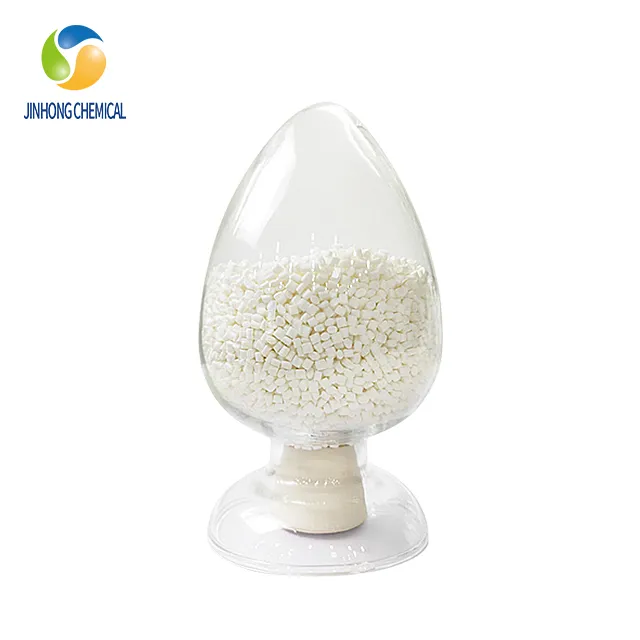
As a supplier of Plastic Antibacterial Masterbatch, I understand the importance of preventing the agglomeration of these masterbatches in plastics. Agglomeration can lead to uneven distribution of antibacterial agents, which in turn affects the antibacterial performance and mechanical properties of the final plastic products. In this blog, I will share some effective methods to prevent the agglomeration of Plastic Antibacterial Masterbatch in plastics.
Understanding the Causes of Agglomeration
Before discussing prevention methods, it's crucial to understand why agglomeration occurs. Agglomeration of Plastic Antibacterial Masterbatch can be attributed to several factors:
- Surface Energy: The high surface energy of the antibacterial particles in the masterbatch causes them to attract each other, leading to agglomeration.
- Moisture Absorption: Antibacterial masterbatches can absorb moisture from the environment, which can cause the particles to stick together.
- Improper Mixing: Inadequate mixing during the production process can result in uneven distribution of the masterbatch in the plastic matrix, leading to agglomeration.
- Temperature and Pressure: Extreme temperature and pressure conditions during processing can also contribute to agglomeration.
Prevention Methods
1. Surface Treatment of Antibacterial Particles
Surface treatment is an effective way to reduce the surface energy of antibacterial particles and prevent agglomeration. By coating the particles with a suitable surfactant or coupling agent, the surface energy can be lowered, and the particles can be better dispersed in the plastic matrix. For example, silane coupling agents can be used to modify the surface of inorganic antibacterial particles, improving their compatibility with the plastic resin.
2. Moisture Control
Moisture absorption can be a major cause of agglomeration. To prevent this, it's important to store the Plastic Antibacterial Masterbatch in a dry environment and use it as soon as possible after opening the package. Additionally, drying the masterbatch before use can help remove any absorbed moisture. This can be done by heating the masterbatch at a suitable temperature for a specific period of time.

3. Proper Mixing Techniques
Proper mixing is essential to ensure the uniform distribution of the Plastic Antibacterial Masterbatch in the plastic matrix. High - shear mixing equipment, such as twin - screw extruders, can be used to break up any agglomerates and disperse the masterbatch evenly. The mixing process should be carried out at an appropriate temperature and speed to achieve the best results. It's also important to ensure that the mixing time is sufficient to allow for complete dispersion.
4. Selection of Compatible Plastic Resins
Choosing the right plastic resin is crucial for preventing agglomeration. The plastic resin should be compatible with the antibacterial masterbatch to ensure good dispersion. Different types of antibacterial masterbatches may have different compatibility requirements. For example, PP Antibacterial Masterbatch is specifically designed for polypropylene plastics, and using it with other incompatible resins may lead to agglomeration.
5. Addition of Dispersing Agents
Dispersing agents can be added to the plastic matrix to improve the dispersion of the Plastic Antibacterial Masterbatch. These agents work by reducing the surface tension between the antibacterial particles and the plastic resin, allowing the particles to be more easily dispersed. There are various types of dispersing agents available, such as low - molecular - weight polymers and fatty acid esters.
6. Process Optimization
Optimizing the processing conditions can also help prevent agglomeration. This includes controlling the temperature, pressure, and screw speed during extrusion or injection molding. For example, maintaining a stable processing temperature can prevent the antibacterial particles from melting and sticking together. Additionally, adjusting the screw speed can ensure proper mixing and dispersion of the masterbatch.
Case Studies
Case 1: Appliance Antibacterial Masterbatch
In the production of appliance plastics, Appliance Antibacterial Masterbatch is widely used. A manufacturer was experiencing agglomeration issues in their appliance plastic products, which led to inconsistent antibacterial performance. By implementing surface treatment of the antibacterial particles and optimizing the mixing process, the agglomeration problem was significantly reduced. The surface treatment reduced the surface energy of the particles, while the improved mixing ensured better dispersion in the plastic matrix. As a result, the antibacterial performance of the appliance plastics became more consistent, and the mechanical properties were also improved.
Case 2: Antibacterial Fiber Masterbatch
In the production of antibacterial fibers, Antibacterial Fiber Masterbatch is commonly used. A fiber manufacturer was facing agglomeration problems during the spinning process, which affected the quality of the fibers. By adding a suitable dispersing agent and adjusting the processing temperature, the agglomeration was effectively prevented. The dispersing agent improved the dispersion of the masterbatch in the fiber matrix, and the optimized temperature ensured that the antibacterial particles remained well - dispersed during the spinning process.
Conclusion
Preventing the agglomeration of Plastic Antibacterial Masterbatch in plastics is essential for ensuring the quality and performance of the final plastic products. By understanding the causes of agglomeration and implementing the appropriate prevention methods, such as surface treatment, moisture control, proper mixing, selection of compatible resins, addition of dispersing agents, and process optimization, we can achieve better dispersion of the masterbatch and improve the antibacterial and mechanical properties of the plastics.
If you are interested in our Plastic Antibacterial Masterbatch products or have any questions about preventing agglomeration, please feel free to contact us for further discussion and procurement. We are committed to providing high - quality products and professional technical support to meet your needs.
References
- Smith, J. (2018). Plastics Additives Handbook. Hanser Publishers.
- Jones, A. (2019). Antibacterial Agents in Plastics: Principles and Applications. Wiley - VCH.
- Brown, C. (2020). Dispersion Technology in Polymer Processing. CRC Press.