

Hey there! I'm a supplier of PHMG solid biocide, and today I want to talk about how to handle PHMG solid biocide in case of a spill. It's super important to know what to do when an accident like this happens, not just for safety but also to keep the environment in check.
Understanding PHMG Solid Biocide
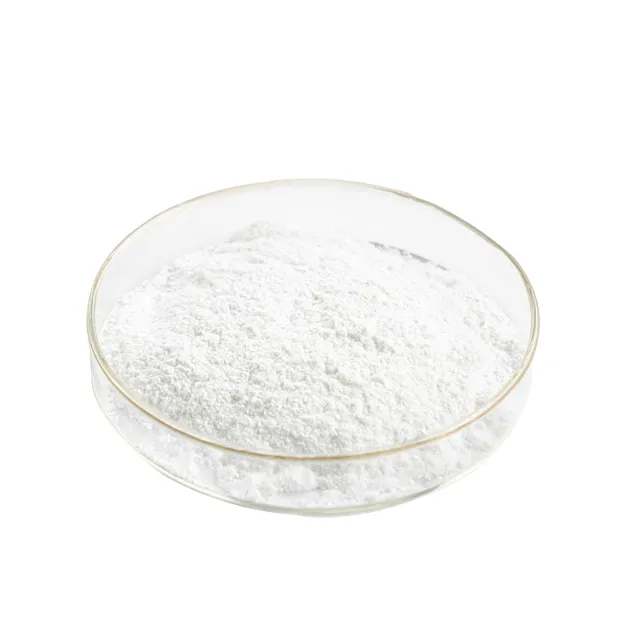
First off, let's get a bit more familiar with PHMG solid biocide. PHMG, or Polyhexamethylene Guanidine 98% Powder CAS 57028 - 96 - 3, is a powerful biocide that's used in a bunch of different industries. It's great at killing bacteria, fungi, and other microorganisms, which makes it a popular choice for things like water treatment, textile disinfection, and even in some personal care products.
There are different forms of PHMG, like PHMG CAS 57028 - 96 - 3 and PHMG Phosphate CAS 89697 - 78 - 9. Each form has its own properties and uses, but they all share the common trait of being effective biocides.
Why Spill Handling is Crucial
Spilling PHMG solid biocide can be a real headache. It's not just about the mess; there are some serious safety and environmental concerns. PHMG can be harmful if it comes into contact with your skin, eyes, or if you inhale it. It can cause irritation, allergic reactions, and in severe cases, more serious health problems.
From an environmental perspective, if PHMG gets into water sources or soil, it can have a negative impact on aquatic life and the ecosystem. So, it's really important to handle spills quickly and correctly to minimize these risks.
Immediate Actions When a Spill Occurs
Safety First
The moment you notice a spill, your first priority should be safety. Put on the appropriate personal protective equipment (PPE), like gloves, goggles, and a respirator. This will protect you from direct contact with the biocide and from inhaling any dust or fumes.
Isolate the Area
Next, cordon off the spill area to prevent anyone from accidentally walking through it. Use caution tape or barriers to mark the perimeter. This will also help contain the spill and prevent it from spreading further.
Assess the Spill Size
Take a quick look at how big the spill is. This will help you decide the best way to clean it up. A small spill might be easy to handle with simple tools, while a large spill could require more specialized equipment and a more detailed cleanup plan.
Cleaning Up the Spill
Small Spills
For small spills, you can start by using a dry brush or a dustpan to carefully sweep up the solid biocide. Try to collect as much of it as possible without creating a lot of dust. Once you've gathered the bulk of the spill, transfer it to a sealed container.
After that, use a damp cloth or sponge to wipe down the area where the spill occurred. Make sure to clean the surface thoroughly to remove any remaining traces of the biocide. Dispose of the cloth or sponge in a sealed plastic bag.
Large Spills
If it's a large spill, you might need to call in a professional cleanup team. They have the right equipment and expertise to handle big spills safely. Before they arrive, you can still take some steps to minimize the damage.
Try to cover the spill with an absorbent material, like sand or vermiculite. This will help soak up the biocide and prevent it from spreading. Once the absorbent material has absorbed the biocide, use a shovel or a vacuum cleaner (designed for hazardous materials) to collect it.
Disposal of the Spilled Biocide
Once you've cleaned up the spill, you need to dispose of the collected biocide properly. Don't just throw it in the regular trash. Check with your local environmental regulations to find out the correct way to dispose of hazardous materials.
In most cases, you'll need to take the collected biocide to a designated hazardous waste disposal facility. Make sure to label the container clearly with the name of the biocide and any relevant safety information.

Preventing Future Spills
Of course, the best way to handle a spill is to prevent it from happening in the first place. Here are some tips to help you avoid spills:
- Proper Storage: Store PHMG solid biocide in a cool, dry place. Make sure the containers are tightly sealed and stored on stable shelves or pallets.
- Training: Make sure your employees are properly trained on how to handle PHMG solid biocide. They should know the safety procedures and how to use the PPE correctly.
- Inspections: Regularly inspect the storage area and the containers for any signs of damage or leakage. If you notice any problems, take action immediately.
Conclusion
Handling a spill of PHMG solid biocide can be a challenging situation, but by following the right steps, you can minimize the risks and keep everyone safe. Remember, safety should always be your top priority, and proper cleanup and disposal are crucial to protect the environment.
If you're in the market for PHMG solid biocide, I'd love to talk to you. We offer high - quality products and can provide you with all the information you need. Just reach out, and we can start a conversation about your specific needs.
References
- Relevant safety data sheets for PHMG solid biocide.
- Local environmental regulations regarding the handling and disposal of hazardous materials.