

Enhanced Zinc Oxide Antibacterial is a remarkable innovation in the field of antimicrobial agents. As a supplier of this cutting - edge product, I have witnessed its wide - ranging applications and the significant impact it has on various products. In this blog, we will explore how Enhanced Zinc Oxide Antibacterial affects the texture of products.
Understanding Enhanced Zinc Oxide Antibacterial
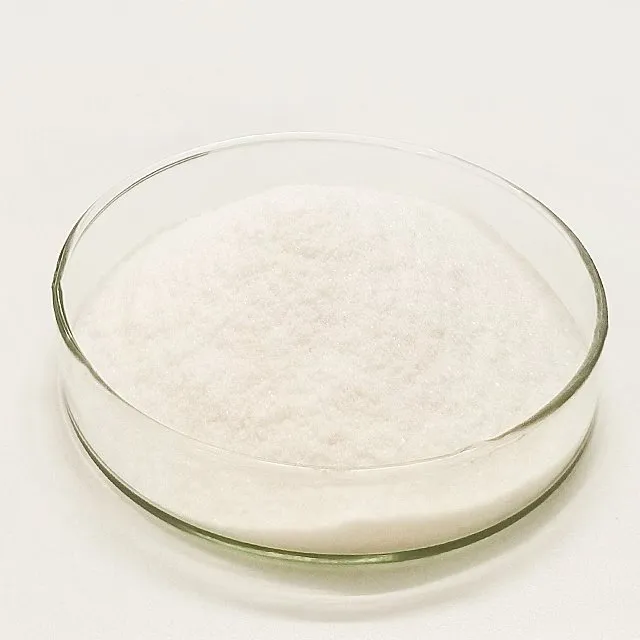
Enhanced Zinc Oxide Antibacterial is an advanced form of zinc oxide with improved antibacterial properties. Zinc oxide itself has long been known for its antibacterial and anti - inflammatory characteristics. However, through advanced manufacturing processes and technological enhancements, the antibacterial efficacy of zinc oxide has been significantly boosted. You can learn more about it on our website Enhanced Zinc Oxide Antibacterial.
Impact on the Texture of Different Product Categories
Textiles
In the textile industry, the addition of Enhanced Zinc Oxide Antibacterial can have several effects on the texture. When incorporated into fabric, it can slightly change the feel of the material. In most cases, the fabric retains its softness, but there may be a subtle difference in the smoothness.
For natural fibers like cotton, the antibacterial agent is usually added during the finishing process. If the concentration of the Enhanced Zinc Oxide Antibacterial is well - controlled, the fabric can maintain its breathability and natural drape. However, a high concentration might cause the fabric to feel a bit stiffer. This is because the zinc oxide particles can adhere to the fiber surfaces, altering the friction between the fibers.
On the other hand, synthetic fibers such as polyester can better tolerate the addition of the antibacterial agent. The Enhanced Zinc Oxide Antibacterial can be evenly dispersed within the fiber matrix during the spinning process. This results in a more consistent texture throughout the fabric. The fabric may even gain a slightly enhanced sheen, which can be an advantage in certain applications like sportswear or high - end fashion items.
Plastics
Plastics are another major area where Enhanced Zinc Oxide Antibacterial is widely used. When added to plastic products, it can influence the texture in different ways depending on the type of plastic.
In rigid plastics like polycarbonate or acrylonitrile butadiene styrene (ABS), the antibacterial agent can improve the surface smoothness. The zinc oxide particles fill in the microscopic pores on the plastic surface, creating a more uniform and polished appearance. This can enhance the overall aesthetic appeal of the product, making it look more high - end.
For flexible plastics such as polyethylene and polyvinyl chloride (PVC), the addition of Enhanced Zinc Oxide Antibacterial can affect the flexibility. At low concentrations, it may not have a significant impact, and the plastic can still retain its soft and pliable nature. However, if the amount of the antibacterial agent is too high, the plastic may become more brittle. This is because the zinc oxide particles can disrupt the polymer chains, reducing their ability to bend and stretch.
Cosmetics
In the cosmetics industry, texture is a crucial factor. Enhanced Zinc Oxide Antibacterial is often used in products like sunscreens, creams, and lotions.
When added to sunscreens, it can contribute to the texture in multiple ways. Zinc oxide is a common ingredient in physical sunscreens due to its ability to reflect and scatter UV rays. The enhanced form of zinc oxide can improve the spreadability of the sunscreen. The particles are more evenly distributed, allowing the product to glide smoothly over the skin without leaving a thick, pasty residue.
In creams and lotions, the antibacterial agent can affect the viscosity. A small amount of Enhanced Zinc Oxide Antibacterial can increase the thickness of the product, giving it a more luxurious feel. However, careful formulation is required to ensure that the texture remains pleasant and does not become too sticky or greasy.
Mechanisms Behind the Texture Changes
The texture changes caused by Enhanced Zinc Oxide Antibacterial are mainly due to physical and chemical interactions.
Physical Interactions
Physically, the zinc oxide particles can act as fillers or modifiers. In textiles, they can fill the gaps between the fibers, changing the surface roughness. In plastics, they can alter the packing density of the polymer chains, affecting the mechanical properties and thus the texture. In cosmetics, they can influence the way the product spreads on the skin by changing the surface tension.
Chemical Interactions
Chemically, the enhanced zinc oxide may interact with other components in the product. For example, in plastics, it can react with certain additives or stabilizers, which may affect the cross - linking of the polymer chains. In textiles, it can interact with the dye molecules, potentially changing the colorfastness and also the texture of the fabric.
Controlling the Impact on Texture
As a supplier of Enhanced Zinc Oxide Antibacterial, we understand the importance of controlling the impact on texture. Here are some strategies that can be employed:
Concentration Optimization
The concentration of the antibacterial agent is a key factor. By carefully adjusting the amount added to the product, manufacturers can achieve the desired antibacterial effect while minimizing the negative impact on texture. For example, in textiles, a lower concentration can be used for products that require a softer feel, while a slightly higher concentration can be used for products where antibacterial efficacy is the primary concern.
Particle Size Control
The size of the zinc oxide particles also plays a role. Smaller particles are more likely to be evenly dispersed and cause less disruption to the texture. Through advanced manufacturing techniques, we can produce Enhanced Zinc Oxide Antibacterial with a narrow particle size distribution, ensuring consistent performance and minimal impact on texture.
Compatibility Testing
Before incorporating the antibacterial agent into a product, compatibility testing should be conducted. This involves testing the interaction between the Enhanced Zinc Oxide Antibacterial and other ingredients in the product. By identifying any potential issues early on, manufacturers can make adjustments to the formulation to ensure a good texture.
Conclusion
Enhanced Zinc Oxide Antibacterial has a significant impact on the texture of products in various industries. While it can bring about positive changes such as improved smoothness and spreadability, it can also cause negative effects like stiffness or brittleness if not properly managed. As a supplier, we are committed to providing high - quality Enhanced Zinc Oxide Antibacterial and offering technical support to help manufacturers achieve the best balance between antibacterial performance and texture.
If you are interested in learning more about our Enhanced Zinc Oxide Antibacterial or would like to discuss potential procurement opportunities, please contact us. We look forward to working with you to create innovative and high - quality products.
References
- "Antimicrobial Properties of Zinc Oxide Nanoparticles and Their Applications in the Textile Industry", Journal of Nanomaterials
- "The Effect of Zinc Oxide on the Physical and Chemical Properties of Plastics", Polymer Science Journal
- "Zinc Oxide in Cosmetics: Formulation and Performance", Cosmetics and Toiletries Magazine